Your live stream lasts an hour. The rest of the week is silence.
Going live on a social network is an event: it starts, it ends, and in between nothing happens. An antenna runs. Your playlists broadcast all week, and Sunday's microphone simply takes over.
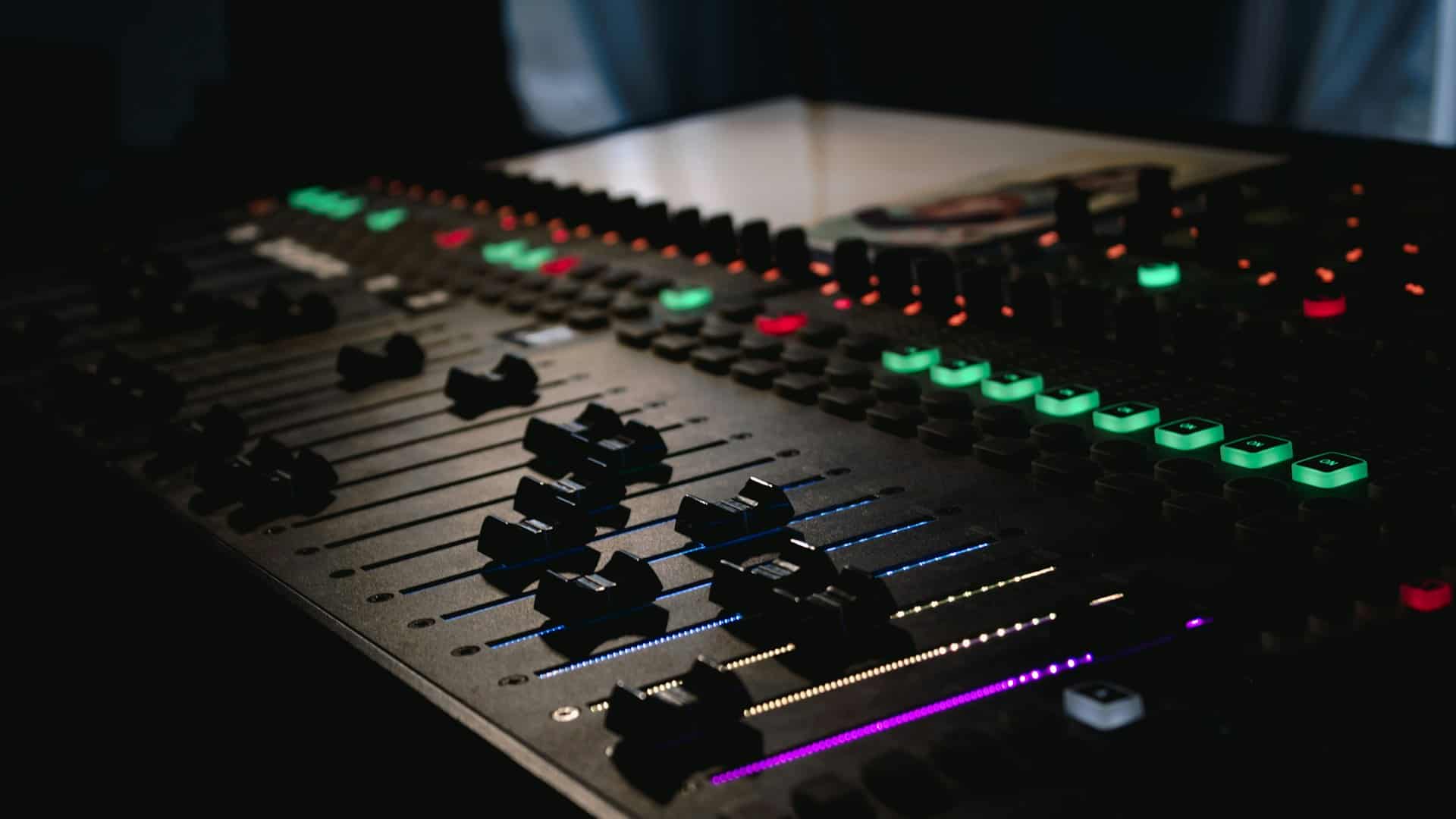
The three sources, the one-source-on-air rule, the automatic pause and resume of the grid, and the microphone lock with its message all exist as shown. The titles and times are examples.
The live stream lasts an hour. The station does not stop for the rest of the week.
A radio station does not switch on, it runs
On Sunday at eleven, everybody is there. On Tuesday evening, the person who can no longer travel has nothing to listen to, and neither does the one living six thousand kilometres away. A weekly livestream does not fill a week.
Two sources at once, and your listeners hear mush
It is the classic broadcasting accident: the playlist is still running when the microphone opens, and both go out together. You find out from a listener's message, ten minutes later.
Tuning in should be easier than finding the link
Half of a livestream's audience is lost before arriving: the link is in a message from three weeks ago, the video asks for an account, the app wants installing. Every obstacle costs listeners who had already made the effort to look.
What Radio & Live does, and what we will not do.
Audio broadcasting is a field where more gets promised than delivered. Here is the line.
- The audio library - recordings, messages, jingles - and the playlists built from it
- The programming grid, with its automatic slots and its slots reserved for live
- Live from the browser or from your own gear, with the one-source-on-air arbitration
- An antenna in your name and your logo, heard from a plain link, with no installation
- Settle your music broadcasting rights: what you put on air is a matter for your licences and your licensing body, not for us
- Replace a mixing desk: we take what your control room sends, we do not mix in its place
- Promise you an audience: we provide the antenna, not the listeners
The other modules
They share the same people and the same permissions: what is entered in one is read by the others, without typing it again.
See all twenty-five modules


Schedule next week.
Upload three recordings, make a playlist, put it on two slots. On Sunday, take the microphone: the grid will step aside by itself.